SandBoxBible
Put your audience
in the story.
Reach a diverse global audience studying scriptures.
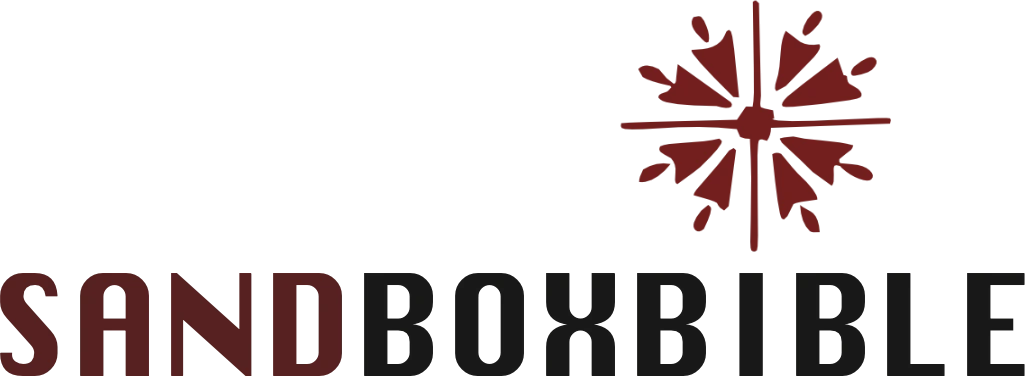
From Sunday school teachers and families to theology students and mission partners, SandBoxBible helps diverse audiences engage with Scripture. Using sand, rice, wooden figures, reflective listening, and storytelling, SandBoxBible makes God’s Word accessible, especially to our core focus: oral learners and low-literacy communities.
SandBoxBible is an innovative, immersive method designed to make Scripture accessible, vivid, and deeply personal, especially where printed Bibles are scarce or among communities where reading traditional text is difficult. At its core, this training equips leaders, missionaries, and facilitators to bridge the gap between ancient Scripture and modern human heart wounds by integrating four distinct streams into one: Scripture Engagement, Lectio Divina, Sandplay with Miniatures, and Transformation Prayer Ministry (TPM).
SandBoxBible transforms abstract theological concepts into a physical, multi-sensory encounter. Instead of sitting through text-heavy lectures, participants learn to physically “map out” biblical stories in a shallow tray of sand. Using simple miniatures, storytellers visualize biblical narratives, from the storms in Mark to the quiet caves in 1 Kings. Through prayerful reflection (Lectio Divina) and targeted identification questions, individuals visually locate themselves within the story.
Proven in India
and Africa.
India
This was proven in India with deeply abused Hindu girls who had never heard of Jesus. During the story of Tabitha, the girls used toothpicks in a bowl of rice to place themselves directly inside the story. We introduced Jesus as the Creator who loved them and wanted to bring healing to their hearts. All the girls cried and said they wanted to know the Jesus who loved them so much.
Africa
In Africa, village men jumped into the process once they placed their own toothpicks in the sand. Asking them, “How does it feel to be right there in the story?”, “What emotion do you sense?”, and “What do you think you believe?” opened up incredible times of ministry.
The facilitator uses foundational TPM principles to gently guide individuals toward hearing Jesus in that exact moment. The sand becomes a safe, non-judgmental space where emotional triggers that surface during the story meet the healing light of God’s presence.
This hands-on training is built specifically for those called to serve in low-literacy communities, unreached regions, or oral cultures. Participants learn how to host safe environments, navigate emotional roadblocks with care, and help people hear God’s voice in a practical, visual, and unforgettable way. By the end of the course, facilitators leave fully equipped with the tools, story-maps, and confidence needed to bring the Word to life wherever people cannot, or do not, read.
This method works for any group, anywhere.
Types of
SandBoxBibles.
Choose from 8 small 1.9kg outreach boxes, 8 large boxes, and mini boxes that each tell one key story.
01
Outreach box
Four different outreach boxes: Europe, Asia Hindu Buddhist, Africa and Africa + Muslim. Each is a 1.9kg box that is easy to carry in a backpack. Choose reached, with cross symbols, or unreached, with no crosses for safety.
R600
each
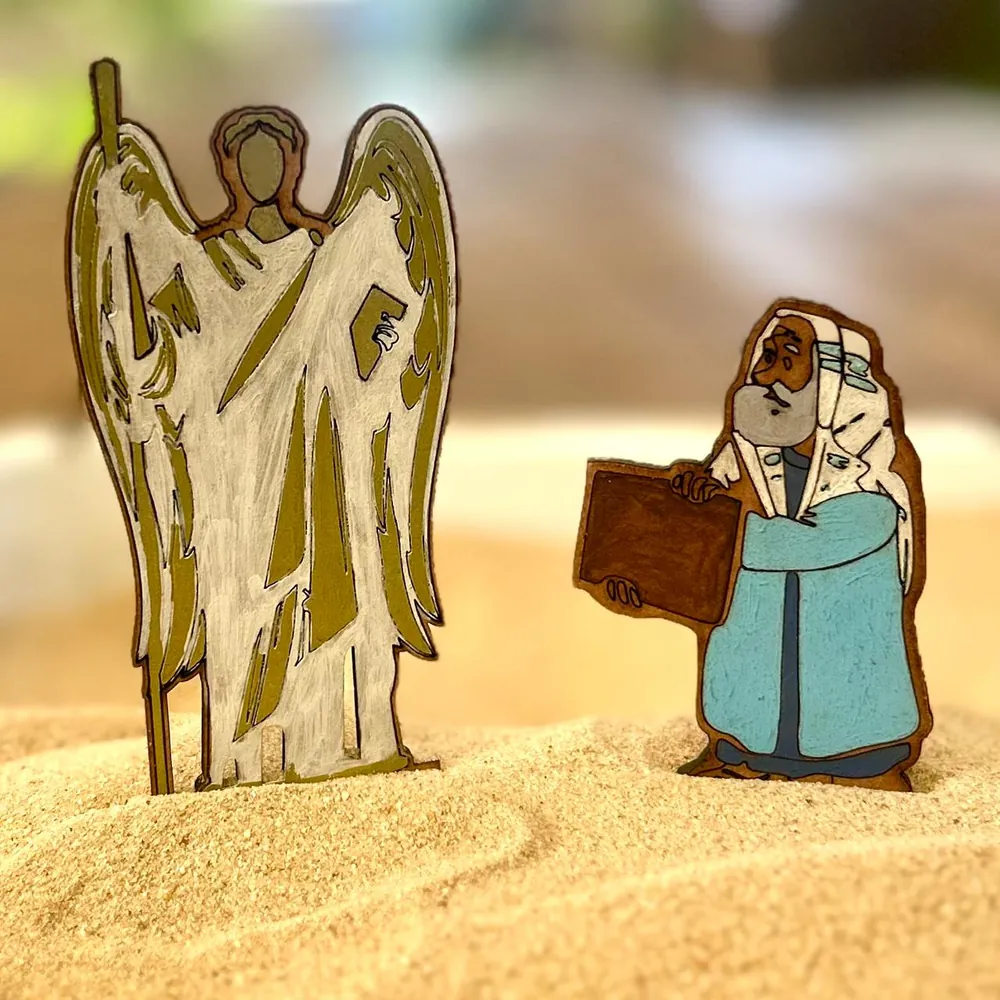
ORE: Europe, reached
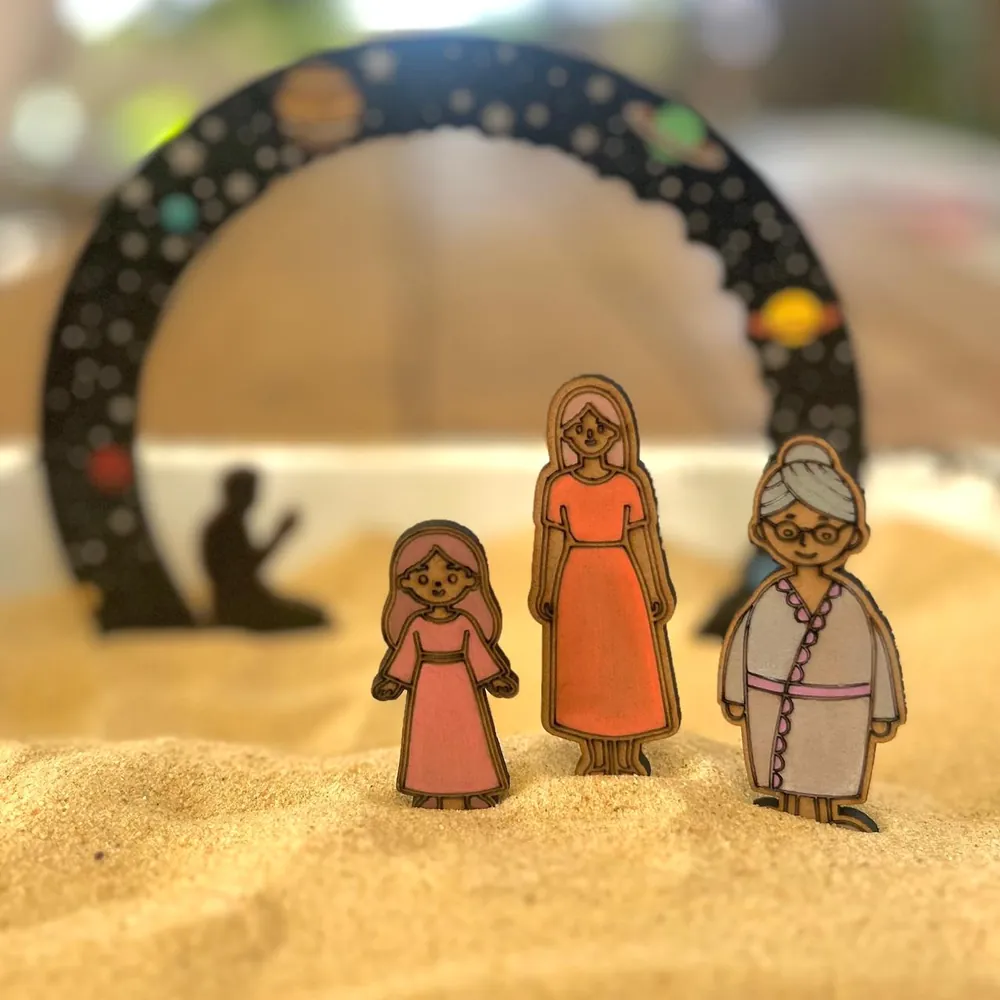
OUE: Europe, unreached
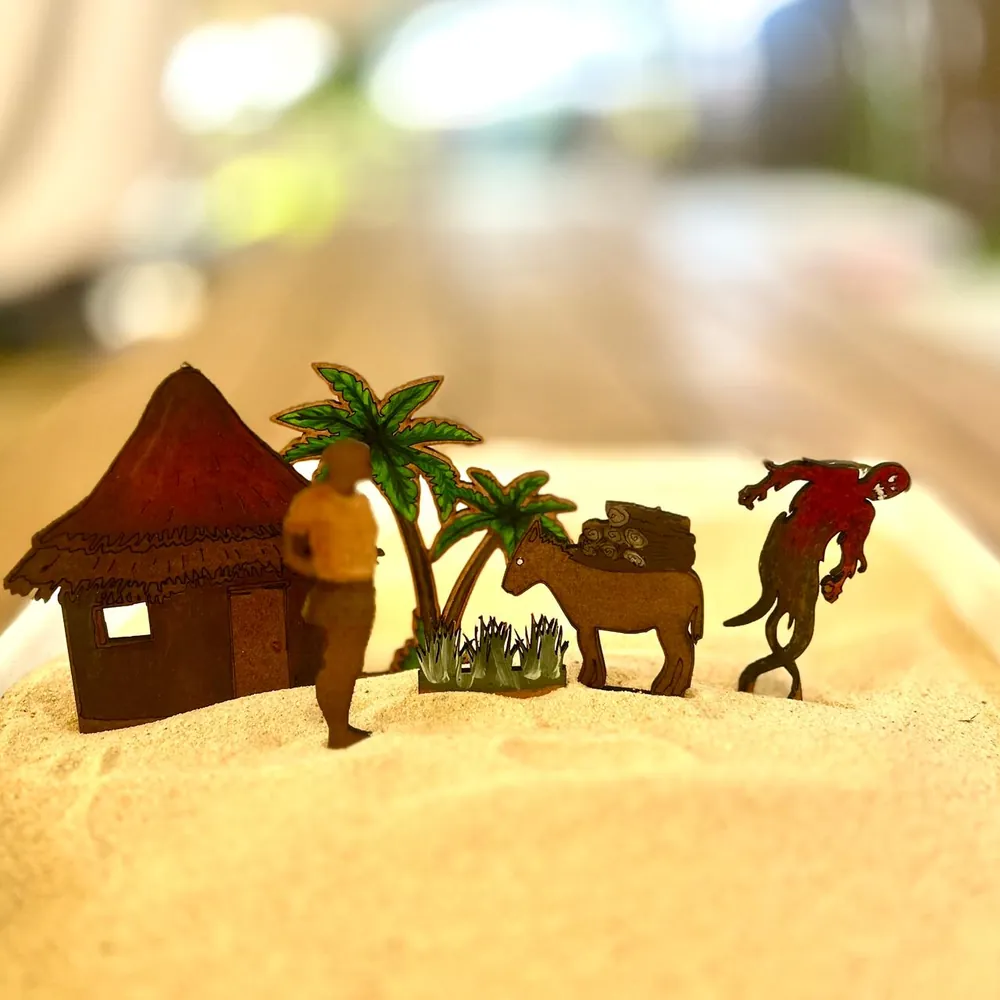
ORA: Africa, reached
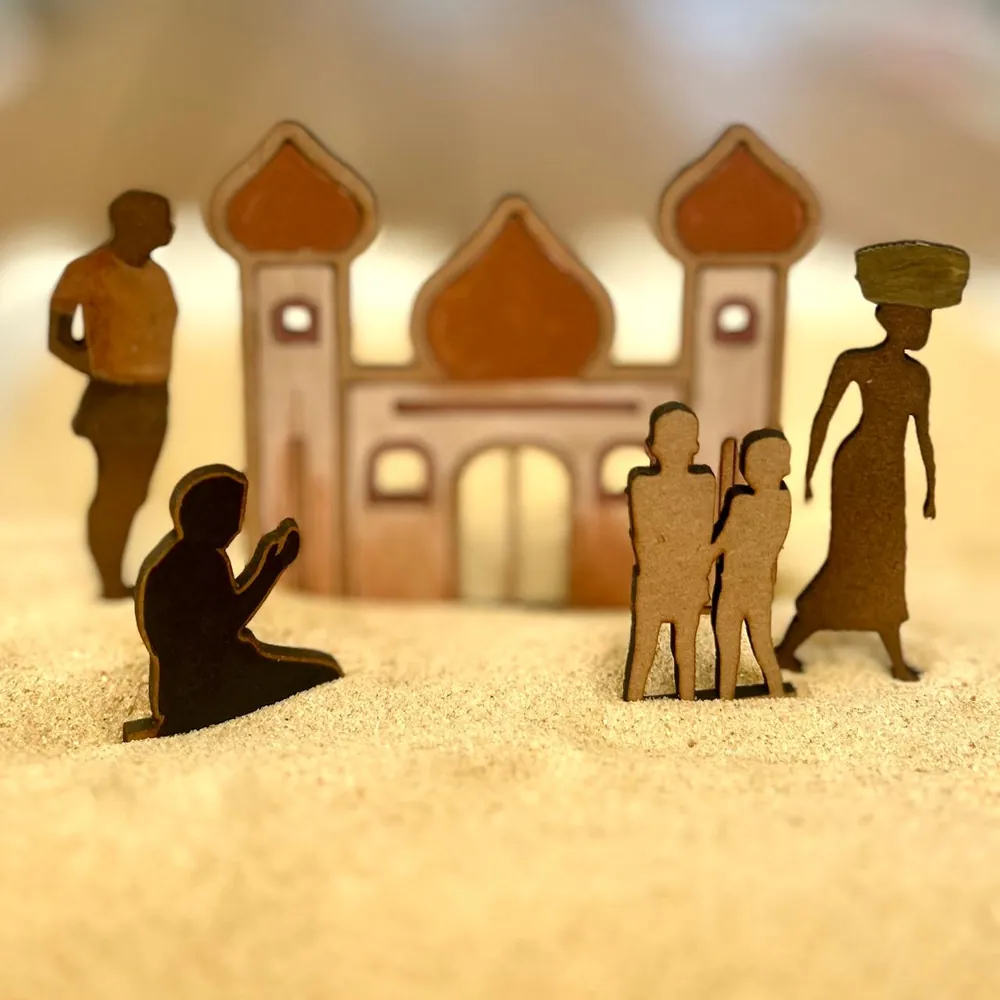
ORMA: Muslim Africa, reached
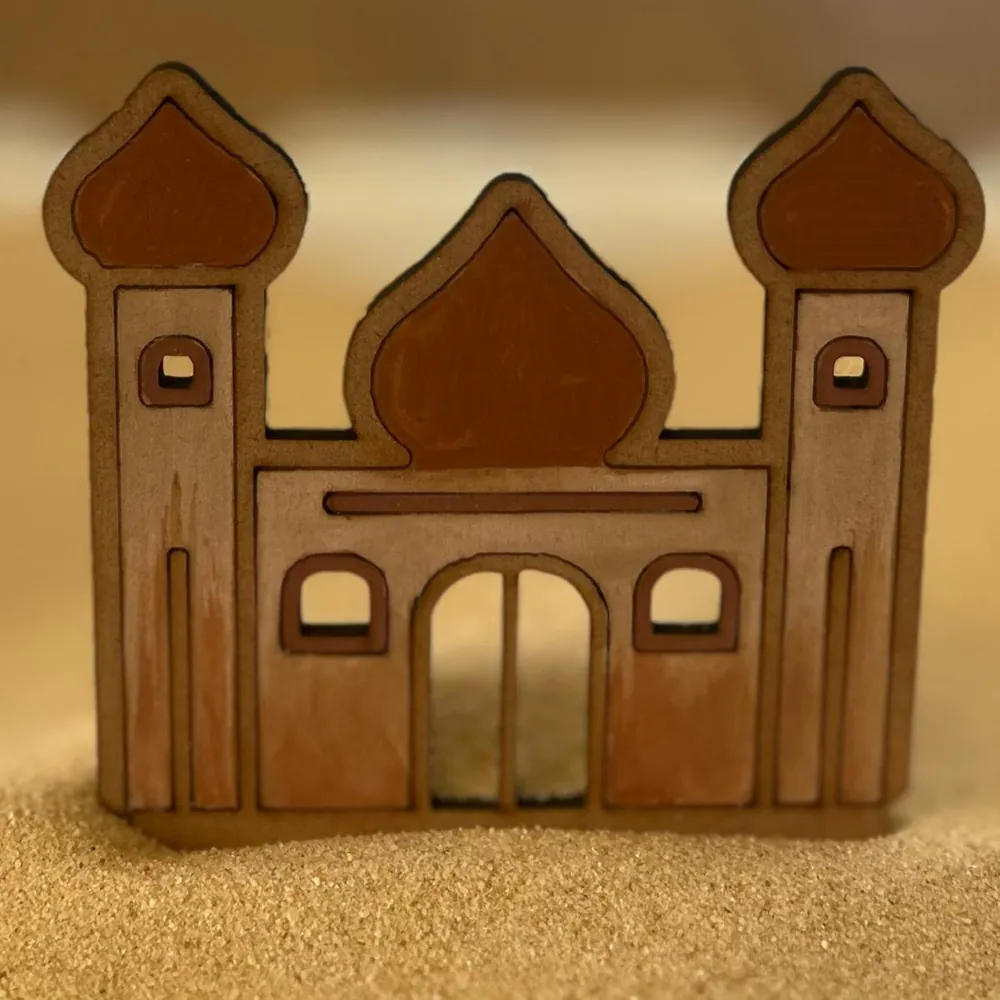
OUM: Muslim, unreached
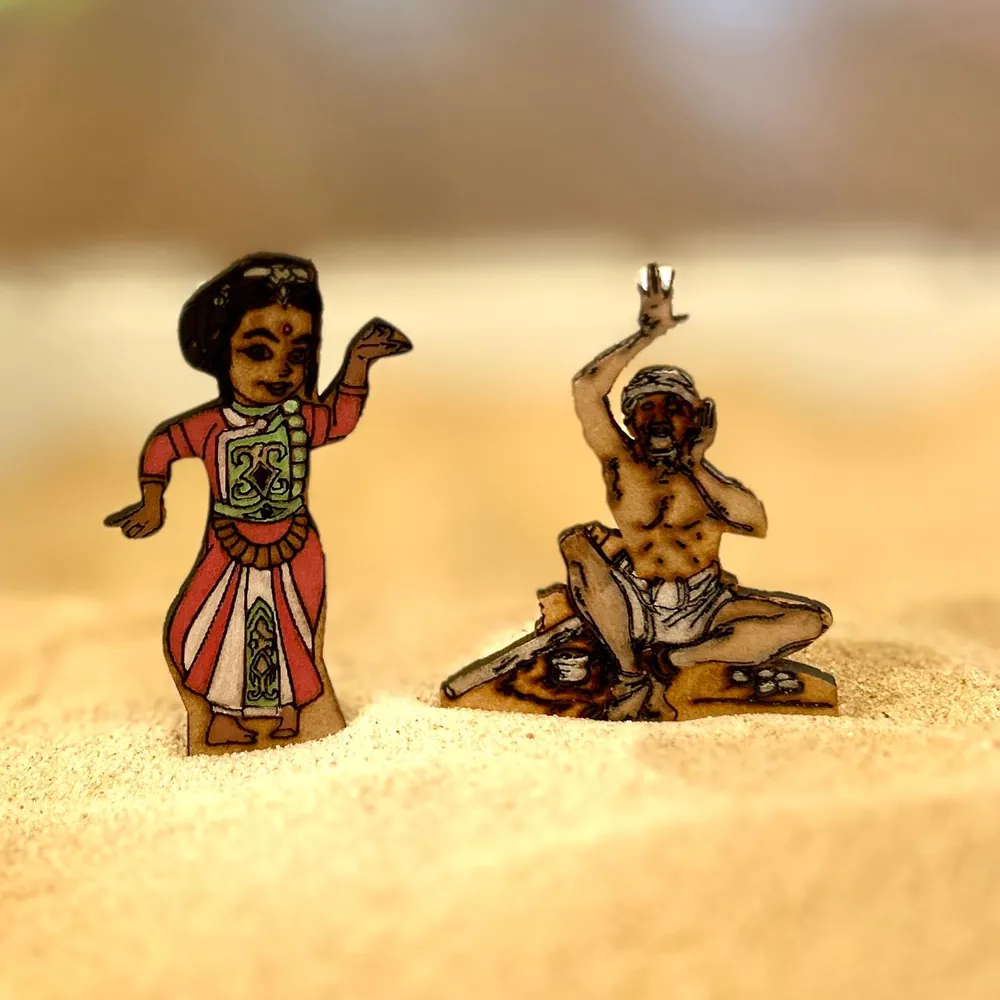
OUHb: Asia, unreached
02
Full box
Four different full boxes: Europe, Africa, Muslim and Asia Hindu Buddhist. A large box for Sunday schools and Schools of Biblical Studies, with extra giants, animals and the ark for the flood story. Choose reached, with cross symbols, or unreached, with no crosses for safety.
R900
each
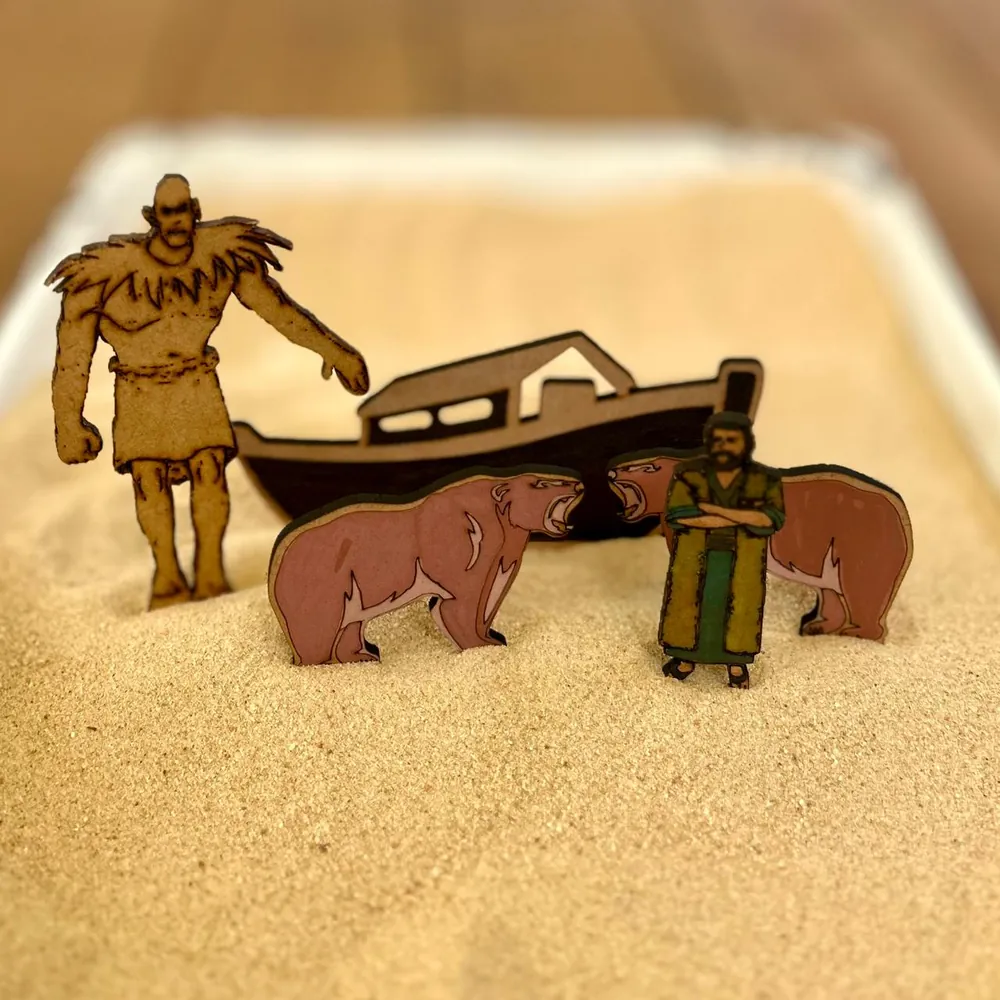
FRE: Europe, reached
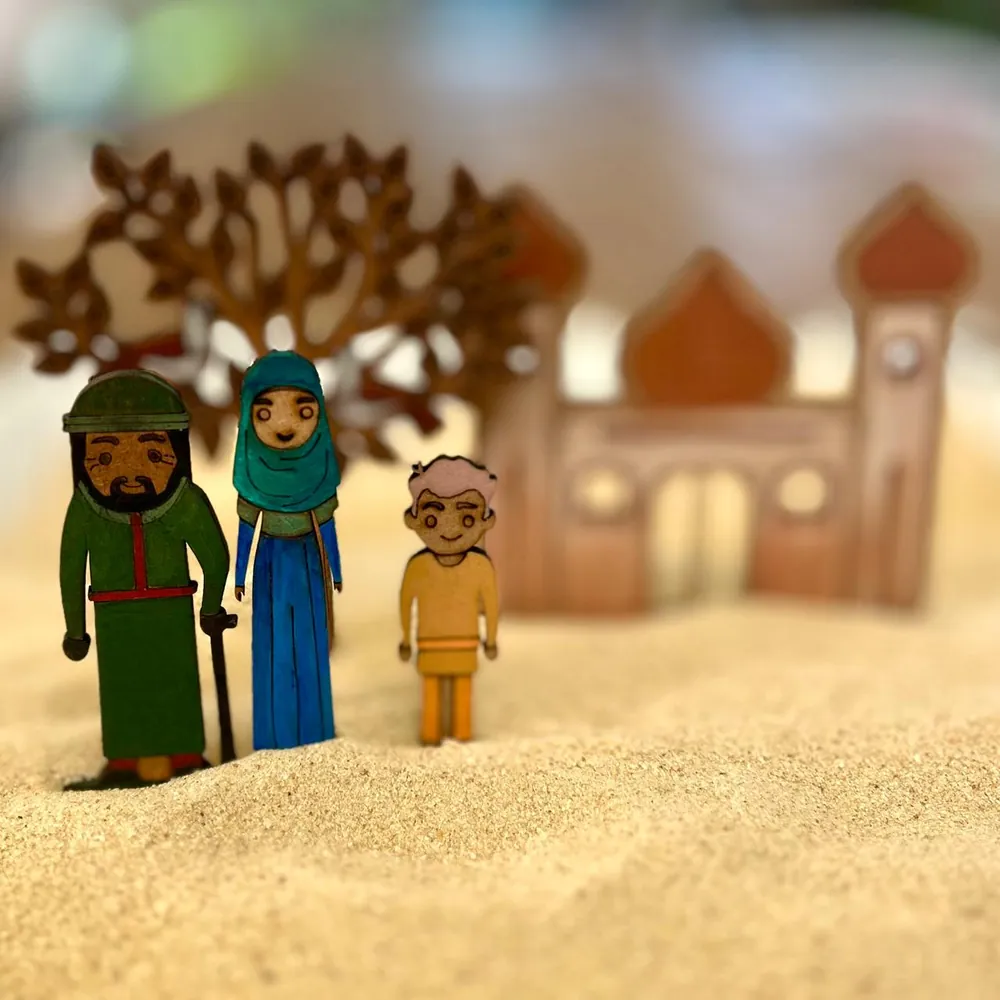
FUM: Muslim, unreached
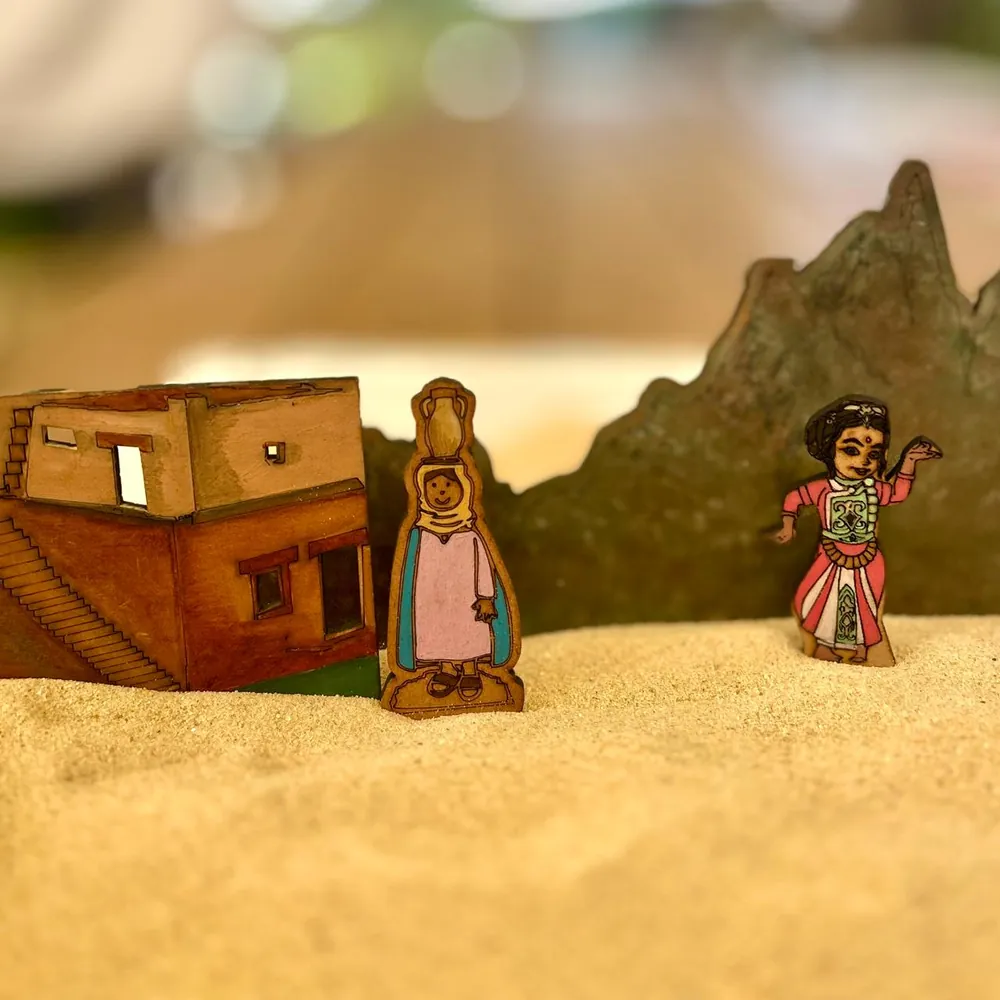
FUHb: Asia, unreached
03
Mini box
Mini boxes that tell only one key story, to choose from.
R300
each
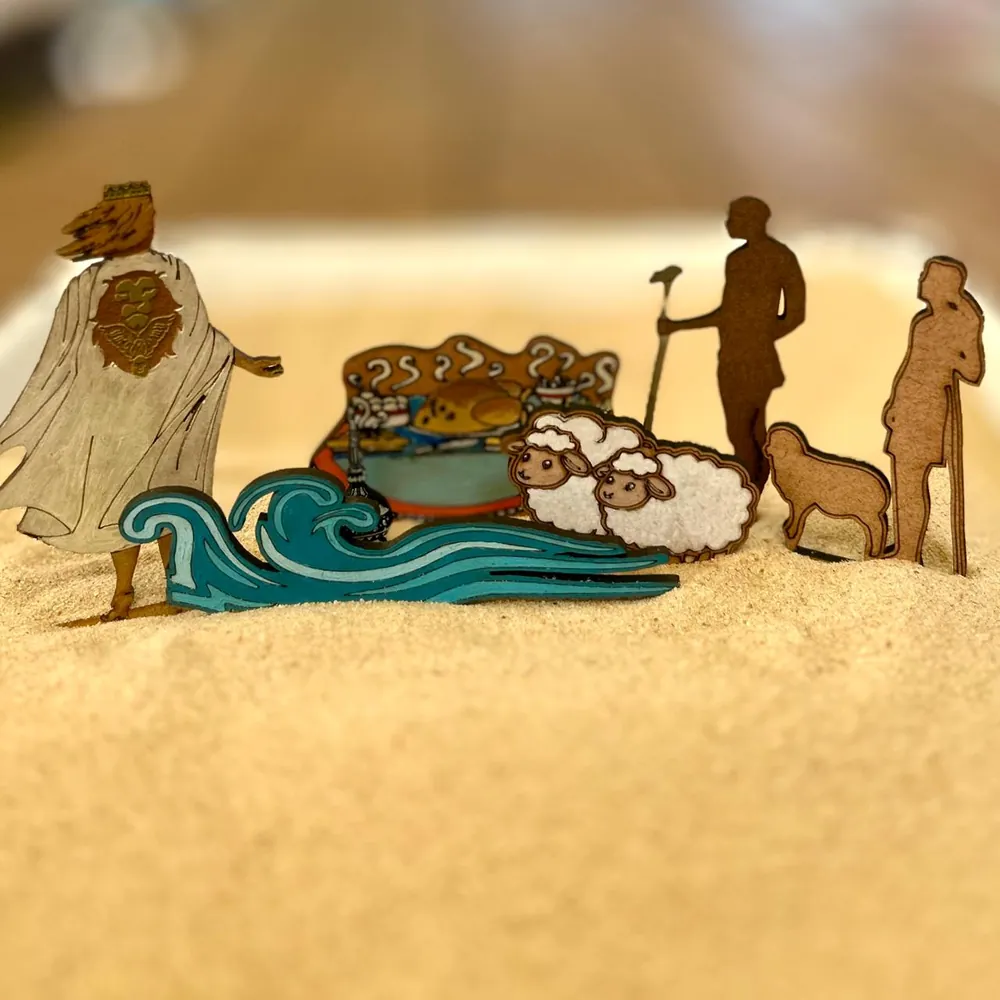
Psalm 23 mini box
- Psalm 23
- Jesus walking on water
- Lazarus healed
Choose reached or unreached in the shop. Collect in Still Bay, or have it delivered by courier. Prefer to ask first? Enquire about a box.
Specialist boxes,
coming.
More specialist boxes are coming. Here are the stories we can list now.
Code for boxes.
- OOutreach. A 1.9kg box, easy to carry in a backpack.
- FFull box. A large box for Sunday schools and Schools of Biblical Studies (SBS). It contains extra giants, animals and the ark for the flood story.
- RReached. Contains the cross and baptism symbols.
- UUnreached. Contains no crosses and baptism (controversial objects) for easy border checks in nations where Christianity is persecuted. It will simply look like a wooden toy box.
- EEurope. More Western-like figures.
- MMuslim. Muslim men and women with a mosque.
- HbHindu Buddhist. Asian figures for places like India.
- AAfrica. African figures.
The sand is just dust; the wood is just trees. It is the Presence in the midst of the box that does the work.
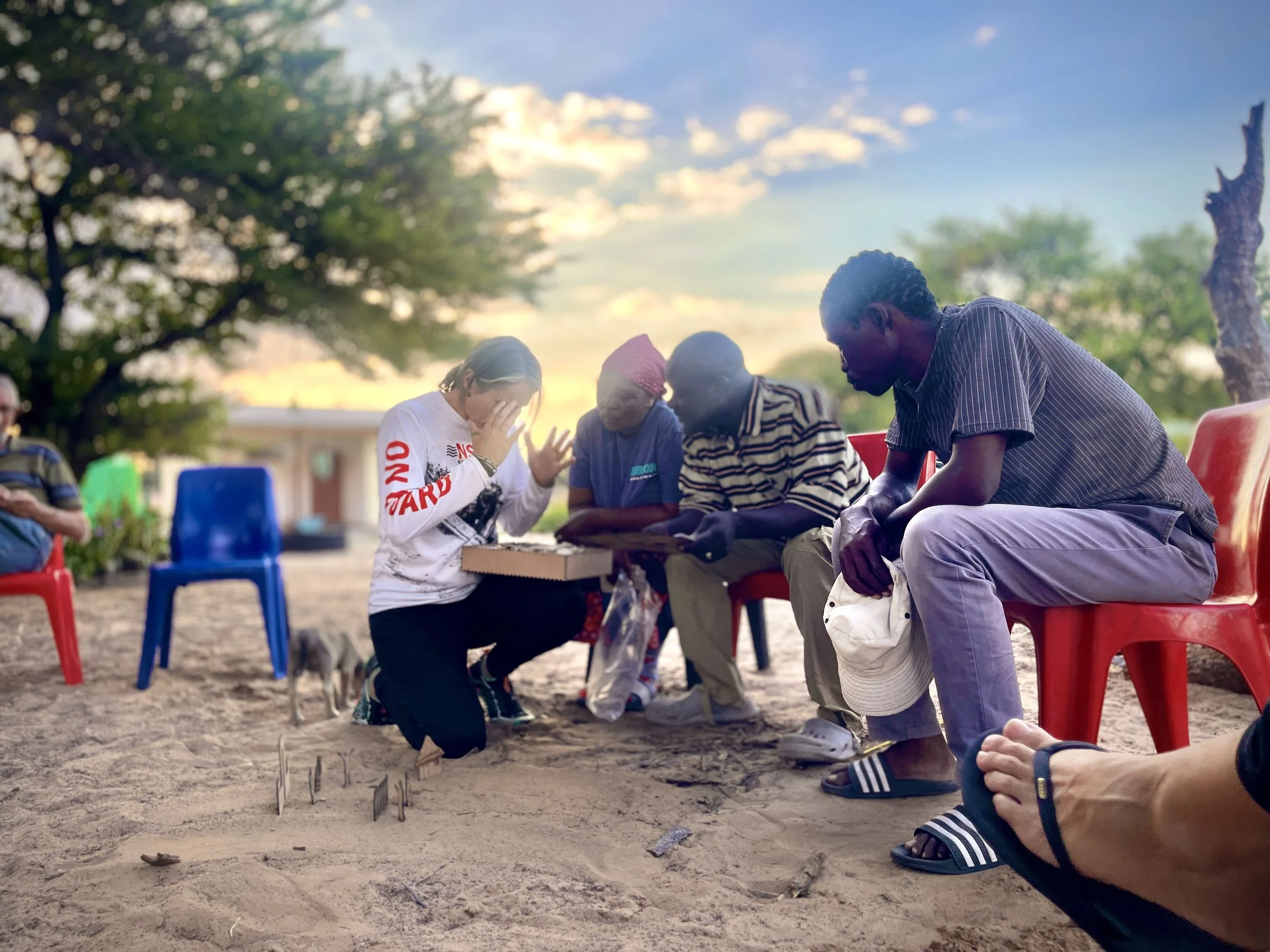
Read the passage.
Build the scene.
See where you find yourself in the story.
01
Hear
Read or listen to a passage of Scripture together.
02
Build
Set out the wooden figures as the story unfolds in the sand.
03
Place
Consider where you find yourself in the scene and what you notice there.
04
Listen
Make space to reflect, pray and share what the passage brings to mind.
A SandBoxBible box is a tool for engaging with Scripture. It does not qualify anyone to provide therapy or prayer ministry; facilitator training is a separate course.
Boxes in use in Africa.
Sessions from the 2026 outreach trip.
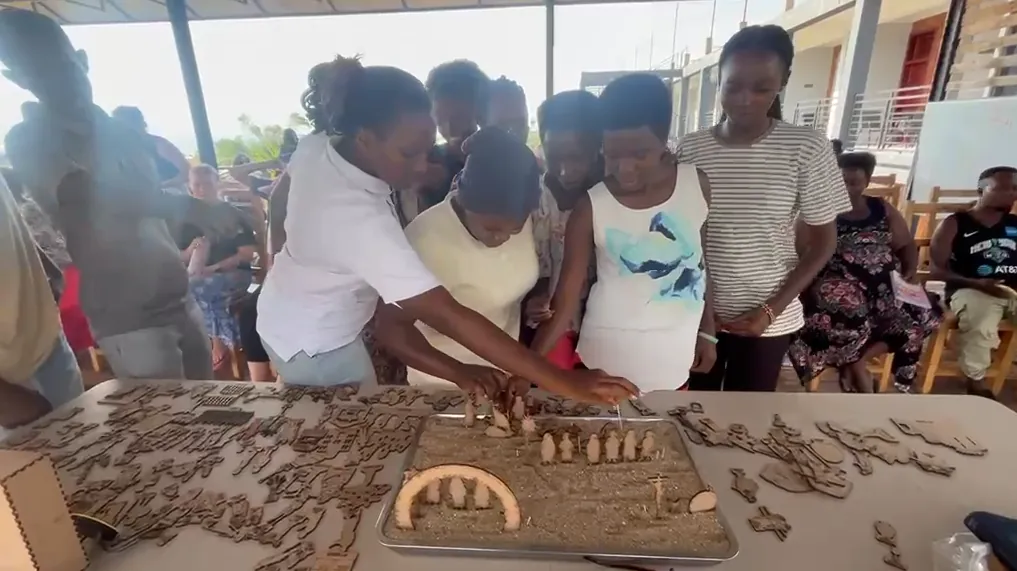
Burundi
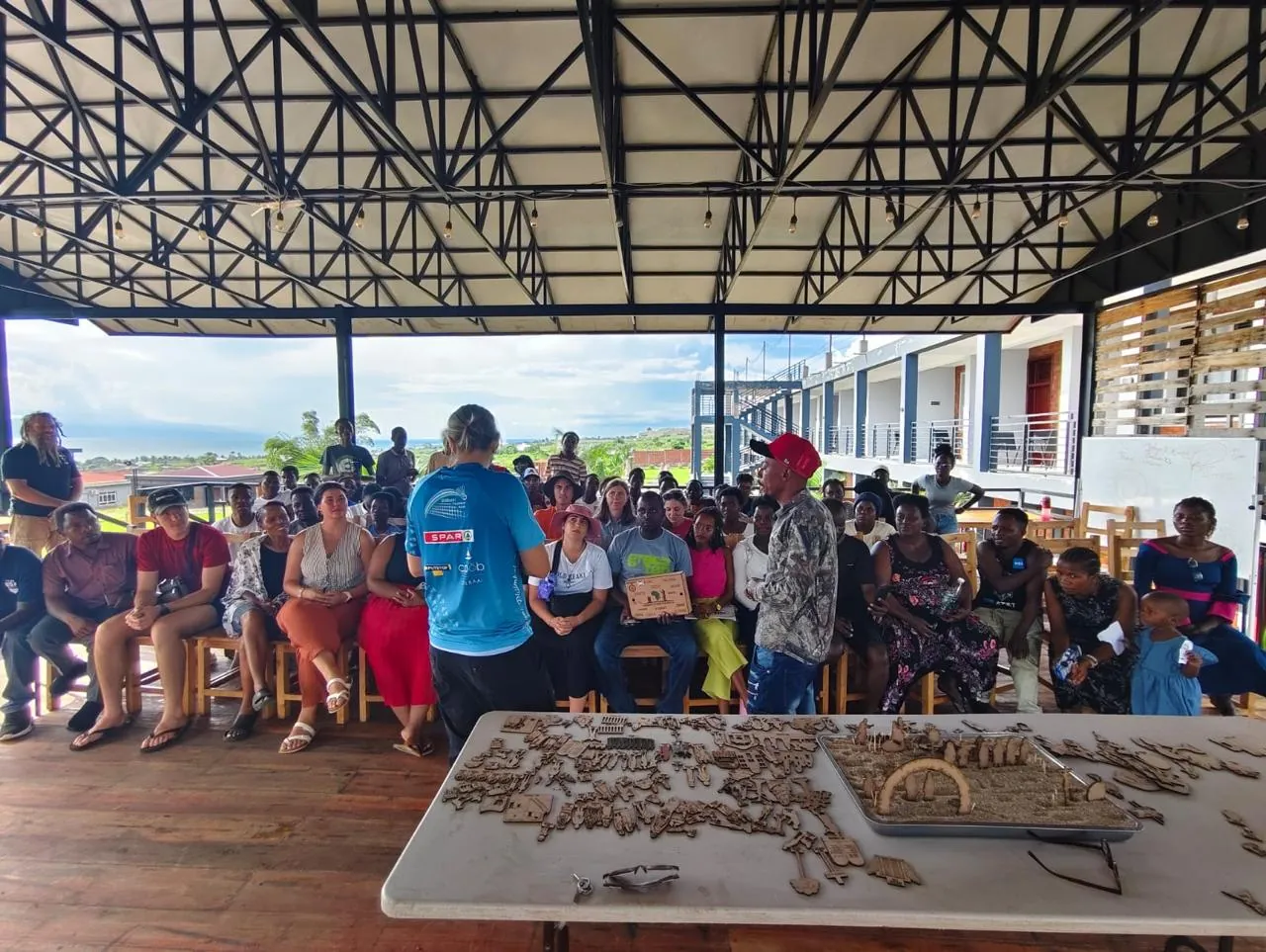
Burundi
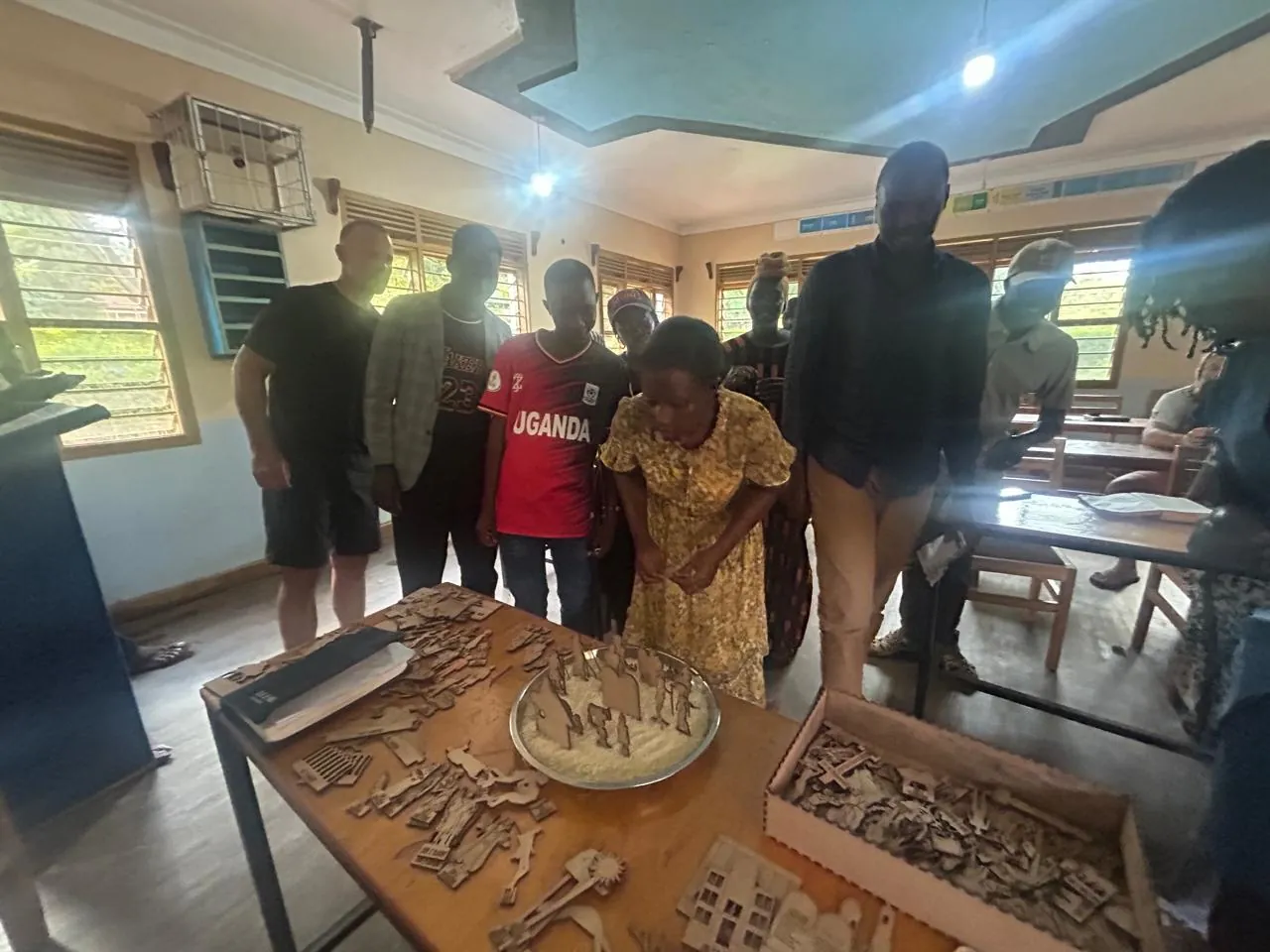
Africa 2026 outreach
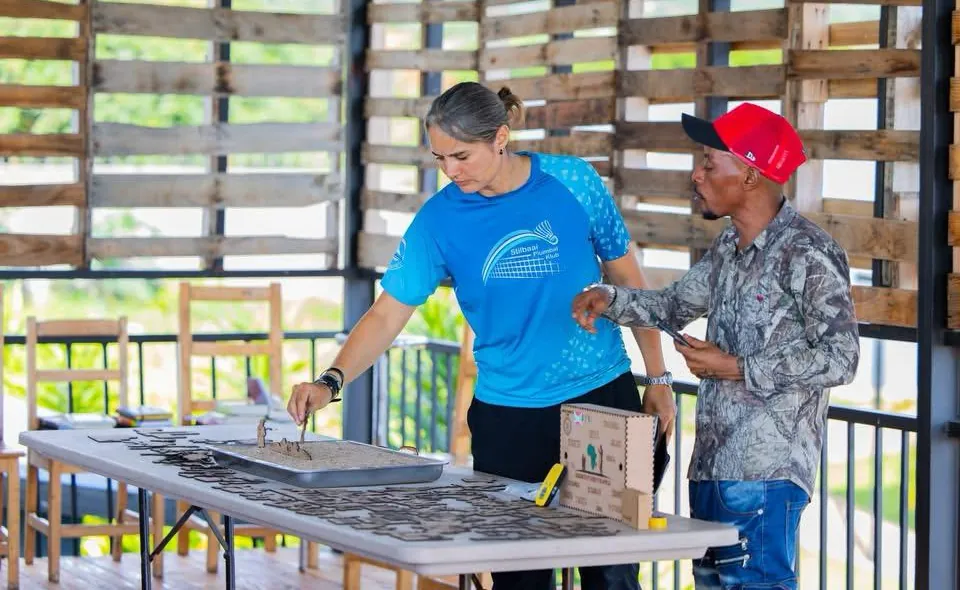
Burundi
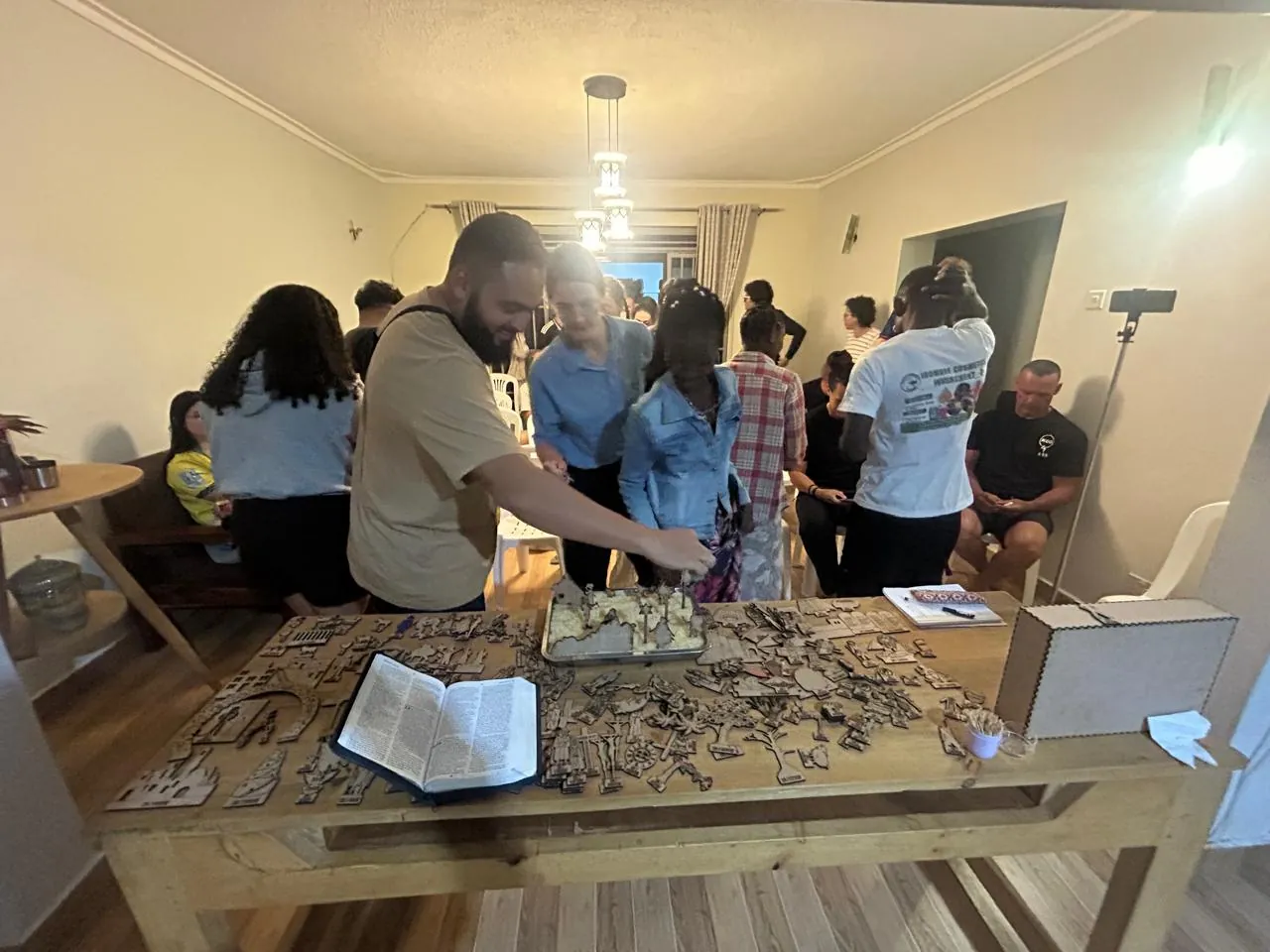
Africa 2026 outreach
Built with
five stones.
The five foundations of the SandBoxBible method.
Lectio Divina
A reflective reading from the 3rd century: a practice of Bible reading, meditation and prayer, intended to promote communion with God and to increase the knowledge of God’s word. It does not treat Scripture as texts to be studied but as the Living Word.
Theophostic Prayer Principles
A Christian counselling method.
Sandplay Therapy
A psychological therapy to help process trauma in sand.
The Orality Movement
The telling of stories in any language.
Logos becoming Rhema
Understanding how to facilitate Logos becoming Rhema: hearing God speak.
Logos and
rhema.
The Bible uses two different Greek words for the word of God. Logos refers to the constant, written word of God, which we have recorded in the Bible. Rhema is the instant, personal speaking of God to us.
God wants to communicate with us not only through His written word but also by speaking directly to us in our particular situations. It is by the rhema word that we can know God subjectively and experientially. Both logos and rhema are crucial to our Christian life, for God uses His logos Word to speak His rhema word to us.
Which Scripture speaks about rhema?
“He answered and said, it is written, Man shall not live by bread alone, but by every word (rhema) that proceeds out of the mouth of God.” Matthew 4:4
If we just read the written word, logos, but do not wait for God to speak to us, we miss out on our daily bread to live on. It is when we remind God of the rhema words He gave us that we start to see prayer being answered. John 6:63 and Ephesians 5:26 are also rhema and not logos.
A session,
step by step.
A SandBoxBible facilitator learns two things: how to tell Bible stories with impactful practical application in rice or sand, and how to go deeper with personal journaling in a time of trauma.
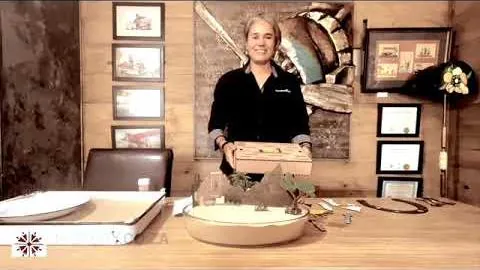
9:04
How to use SandBoxBible
SandBoxBible is a wooden box full of figures, and you should be able to tell any Bible story with these figures.
Step 1
Preparation
- Scripture: Select and review the passage beforehand.
- Toothpicks: Ensure you have enough toothpicks for everyone.
- The Sandbox: use very dry sand or rice in a shallow tray or bowl.
- Figures: Keep your 2D wooden figures organized (in ziplocks).
Step 2
The Bible story
- Read the passage slowly out loud to the group.
- Read a second time, and as you read, place the wooden figures into the sand to build the scene.
- Pause at the end so the group can soak in the complete visual story.
Step 3
What do we learn about
- God and his character in this passage?
- Humans and their character in this passage?
- God’s plan in this passage?
Step 4
Key step
Key application: Identification
Facilitator: hands a toothpick to each person.
- Everyone places their toothpick in the sand or rice where they feel they connect with the story. (Example: Peter sinking into the waves)
- Ask: “What emotion do you feel as you place your toothpick there?” (e.g., happy, sad, angry, afraid, overwhelmed, confused, challenged)
- Allow each person to feel that emotion, because emotions cannot lie: you feel what you feel. Emotion reveals what you believe, whether those beliefs are rooted in truth or in a lie. (Example: Fear of being out of control, or distrusting that God will catch you)
Step 5
Encounter
- Ask: “What are you believing about yourself or your situation, and what does the Holy Spirit want you to know today? (e.g. Is there a lie that needs to be replaced by the Truth.)” (Example: God is saying, I know you feel like sinking but I am with you in the situation.)
- You can also ask the group: “Does your toothpick feel near or far from God at that moment, and why? How does it feel, because this is what you believe.” Give time for this response. This is usually where God visits each person where they are at.
Step 6
Apply S.P.E.C.K
If there is time, ask your audience to individually work through these questions or to share in groups of 3:
- Sin to confess: Am I holding grudges or enforcing legal rights over someone who has wronged me?
- Promise to claim: God transforms “useless” situations and people into “useful” ones through grace.
- Error to avoid: Demanding compliance through leverage instead of appealing in love.
- Command to obey: Receive and restore broken relationships within the church community.
- Knowledge of God: God is a reconciler who prompts believers to absorb the costs of peace.
Keep it safe.
- Keep it short.
- Never touch someone else’s image while they explain what is going on for them in the box.
- Do not interrupt or quote Scripture to help someone hear what God might be saying. Just listen. Keep a safe environment going.
- In a difficult situation, you can simply respond by saying: “Thanks for sharing so honestly.” Then move to the next person.
- Available now
- Custom boxes made to order
- Collect in Still Bay
- National or international courier delivery
March 2027,
in Still Bay.
URstory is running a one-week SandBoxBible facilitator training in Still Bay from 22 to 26 March 2027, followed by a two-week outreach on the Garden Route.
The facilitator method.
- Telling of Bible Passage
- Lectio Divina Integration
- TPM & Immanuel Protocol
- Sandplay Assessment
- Synthesis Conversation
Sarah Beriyth is the founder of URstory SandBoxBible. YWAM since 1997, MA in Spiritual Formation, BA in Biblical Studies.
Immanuel journaling: seven steps for time alone with God
Go deeper when you are alone with God.
Immanuel journaling is a writing exercise or practice that helps us to explore our life events, especially our interior life, including our thoughts, feelings and body sensations, with our GOOD God, Immanuel. It is a simple process to help you become aware of God’s compassionate presence in the painful as well as mundane moments of your life.
Slowing down enough to pause, give thanks (if you are able), and then follow an elegant process of sensing God’s response has been transformative to people across the nation and the world. People continue to share stories of peace and transformation as well as reconciling relationships.
The core steps of the exercise
- Pause and quiet your heart: slow down to transition away from daily stress and distractions.
- Express gratitude: write down specific things you appreciate or are thankful for, reflecting on God’s goodness.
- Share your current state: note a specific situation, memory, or heavy emotion you are carrying right now.
- Write God’s response: shift your perspective and write down what you sense God saying back, focusing on how He sees you, hears you, understands your feelings, and rejoices in being with you.
The key goals of the practice
- Process emotions with God: learn to metabolize difficult feelings rather than burying them.
- Build relational connection: move past simple petition prayer into a fluid, conversational rhythm with the Holy Spirit.
- Test insights against Scripture: ensure that any impressions written down align completely with biblical character and truth.
Step one: interactive gratitude
Write anything I appreciate and then write God’s response to my gratitude. Play the music as you start.
Step two: “I can see you…”
Write from God’s perspective what he observes in you right now, including your physical sensations. Example: I can see you at your desk. Your breathing is shallow and your shoulders are tight.
Step three: “I can hear you…”
Write from God’s perspective what he hears you saying to yourself. Example: You are wondering if I will speak to you and how you would ever know. You are discouraged and tired. Or: You woke up full of energy this morning. You are ready to take on the world. Your mind is buzzing…
Step four: “I understand how big this is for you”
How does God see your dreams, blessings, or upsets and troubles? Example: I want you to know that I care about what matters to you. Your desire to honor me brings me great pleasure… Or: I understand how intimidated you feel. This situation feels all-consuming to you, as if you are about to sink…
Step five: “I am glad to be with you and treat your weakness tenderly”
How does God express his desire to participate in your life? Example: Your dreams are precious to me. I fill you with life each day and really enjoy your desire to… Or: I see your discouragement after yelling again. Times when you are frustrated and tired are when I want to be closer to you…
Step six: “I can do something about what you are going through”
What does God give you for this time? Example: Come away with me. I offer you times of refreshing, new energy, and vision. Or: I will strengthen you. Remember how your friend encouraged you last week? With me, you are not alone…
Step seven: read it aloud
Read what you have written aloud, preferably to someone.
Not sure what to write about in step four?
Choose one of these prompts to open up your journaling session.
- For anxiety: “Lord, the thing that is driving my racing thoughts or making my chest feel tight today is…”
- For relational friction: “Lord, I am holding onto tension regarding [name]. What happened was… and it made me feel…”
- For feeling stuck: “Lord, I feel completely blocked or paralyzed when it comes to making a decision about… because I am afraid that…”
- For sadness or grief: “Lord, I am carrying a heavy sadness today about… It feels like I’ve lost…”